Have you ever tried to hold water in your hands, only to watch it slip through your fingers? That’s what addiction feels like. It’s not just a bad habit or a moral failure—it’s a slow unraveling of control, identity, and hope. At its core, addiction whispers one chilling truth: you are no longer in charge. It hijacks the will, rewires the brain, and seduces the heart. It isolates, shames, and enslaves. And yet, for many, it begins as a search for relief.
The addict is not always who you expect. Not the shadowy figure in a back alley, but often the friend who laughs too loudly, the husband who stays out late, the teenager who seems just a little off. An addict is someone who has unknowingly handed over the keys to their life—one compromise at a time. This surrender isn’t passive. It’s a daily war fought in silence. The addiction becomes both captor and counterfeit comforter, promising peace while delivering pain.
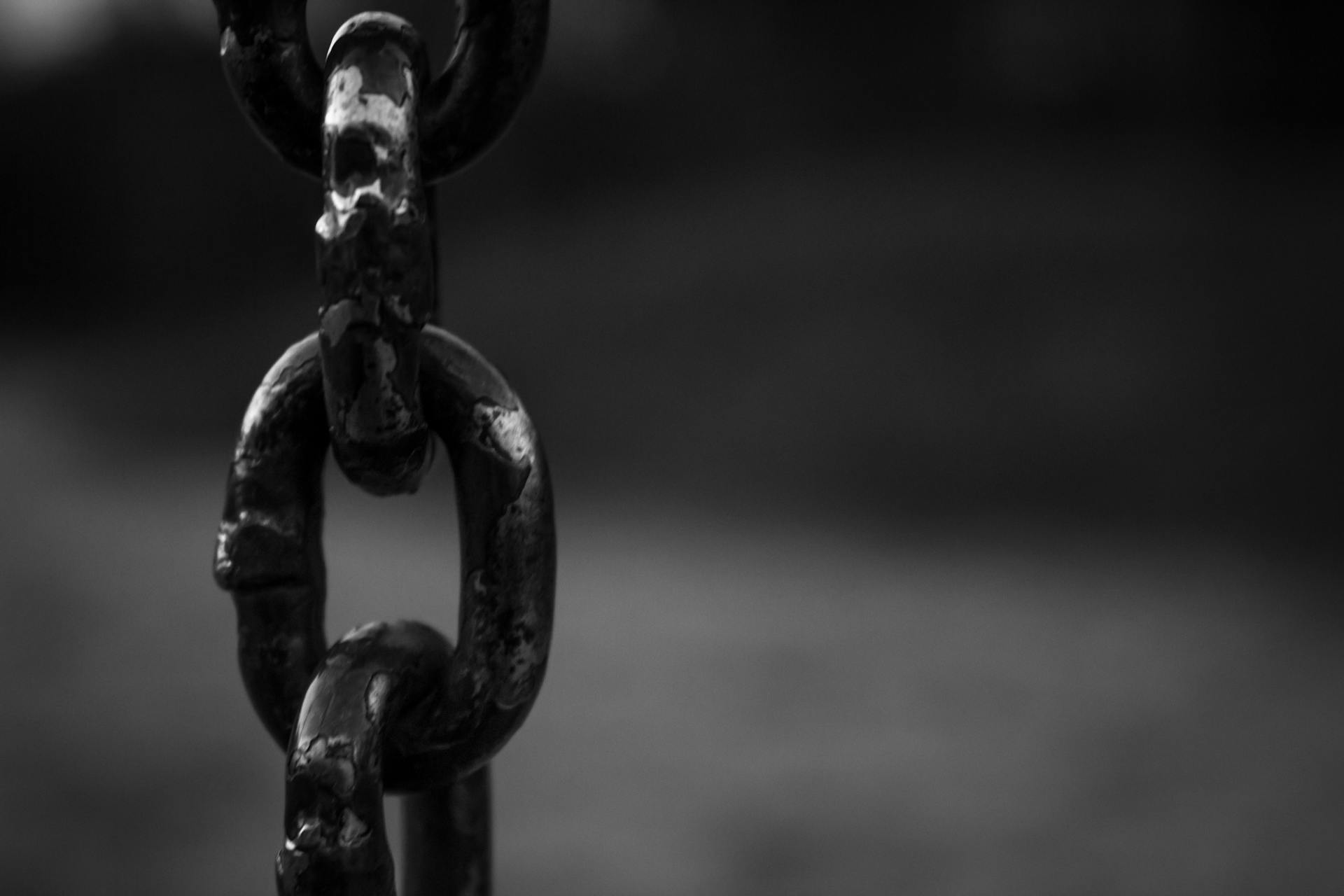
Addiction is bondage dressed as relief. It’s a psychological and physical dependency that ripples through families, friendships, and communities. It’s marked by powerlessness, predictable destruction, emotional chaos, and relational collapse. The addict often feels isolated, guilty, and increasingly disconnected from their own sense of self.
It doesn’t just happen—it loops. A person acts out, feels guilt, seeks relief, and repeats. Whether the behavior is occasional or compulsive, the aftermath is eerily consistent: shame, emptiness, and a desperate craving for escape. People turn to addiction to silence pain, to escape pressure, to feel accepted. As Narcotics Anonymous puts it, “Living to use and using to live.”
But addiction isn’t just a behavior—it becomes a relationship. Many describe their substance or habit as a lover: one that never judges, always comforts, and eventually replaces every other meaningful connection. This twisted romance leads to emotional and physical dependency, disconnection from self, God, and others, and a loss of rational thought and emotional regulation. The brain stops functioning normally. Emotions become muted. Joy, sadness, excitement—none of it arises naturally anymore. The addict becomes numb, needing stimulation just to feel alive.
One young woman, arrested in a drug bust, was asked why she kept using. Her answer was devastating: “I lost everything. This has never rejected me and this is all I have.”
Addiction doesn’t just steal—it rewires. It robs a person of the ability to feel, the capacity to think clearly, and the freedom to choose anything other than the addiction. And for those who love an addict, the truth is painful: they will always come second. Until healing begins, the addiction is the addict’s first love. I remember a girl who left her baby with the drug dealer….
But addiction is not the end of the story.
There is a way out—not through willpower alone, but through healing, truth, and transformation. Recovery begins when the silence is broken and the shame is named. It begins when someone dares to believe that change is possible—even if they don’t yet feel it. Healing is not a straight line. It’s a journey of relearning how to feel, how to connect, and how to live without the crutch of addiction. It’s about rediscovering identity, rebuilding trust, and reclaiming purpose.
And for those walking alongside an addict: your love matters. Your boundaries matter. Your hope matters. You may not be able to fix them—but you can remind them that they are not beyond redemption.
Because the truth is this: no addiction is stronger than grace. No shame is deeper than love. No story is too broken to be rewritten. Recovery is possible. Restoration is real. And the journey begins with one brave step.